

Most sewer problems do not start with a dramatic backup. Usually, it is something small at first: a toilet that gurgles when the washing machine drains, a shower that clears slowly, or a bad smell coming from the basement drain every now and then.
When those signs start showing up, many homeowners ask the same question: Do I just need a sewer cleaning, or is something actually wrong with the pipe itself?
The answer depends on the condition of the sewer line. Some problems are caused by buildup inside an otherwise healthy pipe. Others happen because the line has cracked, shifted, or started collapsing underground. In Colorado Springs, shifting soil, tree roots, and winter freeze-thaw cycles make structural sewer problems more common than many homeowners realize.
Knowing the difference can help you avoid wasting money on repeated cleanings that only temporarily cover up a larger issue.
When a Professional Sewer Cleaning Is Usually Enough
A sewer cleaning is meant to remove buildup and restore normal flow through the pipe. If the sewer line itself is still structurally sound, cleaning the inside of the pipe is often all you need.
This is commonly the case when the problem comes from:
- Grease buildup
- Soap residue
- Hair and sludge
- Minor root intrusion
- Flushable wipes or hygiene products
- Food waste buildup
Most homeowners first notice problems like:
- Slow drains throughout the house
- Toilets bubbling or gurgling
- Water backing up briefly in tubs or showers
- Occasional sewer odors near drains
If the issue developed gradually over time and this is the first major backup you have experienced, cleaning is often the right solution.
If you are unsure whether your line is simply overdue for maintenance, check out our guide on how often Colorado Springs homes should schedule sewer cleaning.
Signs the Sewer Line May Need Repair Instead
Cleaning can restore flow, but it cannot fix a broken pipe.
If the sewer line has cracked, shifted, collapsed, or developed a severe low spot, the blockage will usually keep returning until the structural issue is repaired.
Some warning signs point to a bigger underground problem:
- Recurring backups every few months
- Sewage smells outside near the yard
- Soggy or unusually green patches of grass
- Multiple drains backing up repeatedly
- Sinkholes or soft spots forming in the yard
- Mud or debris appearing in the drain line
These issues often mean the pipe itself has been damaged underground.
Common Sewer Line Problems in Colorado Springs
Local conditions play a big role in sewer line damage throughout the Pikes Peak region.
Shifting Expansive Soil
Parts of Colorado Springs contain Bentonite-heavy clay soil that expands and contracts as moisture levels change. Over time, that movement puts pressure on buried sewer lines and can cause pipes to separate or sag.
These low sections, often called pipe bellies, allow waste and debris to collect instead of flowing properly downhill.
Tree Root Intrusion
Large trees common throughout the area naturally seek out moisture underground. Even a small crack or loose pipe joint can attract roots into the sewer line.
Once roots enter the pipe, they continue growing and eventually trap debris, grease, and toilet paper until major blockages form.
Aging Clay or Cast-Iron Pipes
Older neighborhoods like Old Colorado City and parts of the North End still contain aging sewer systems that are more vulnerable to cracking, corrosion, and joint separation.
In these homes, repeated sewer backups are often tied to structural deterioration rather than simple buildup.
Why a Sewer Camera Inspection Matters
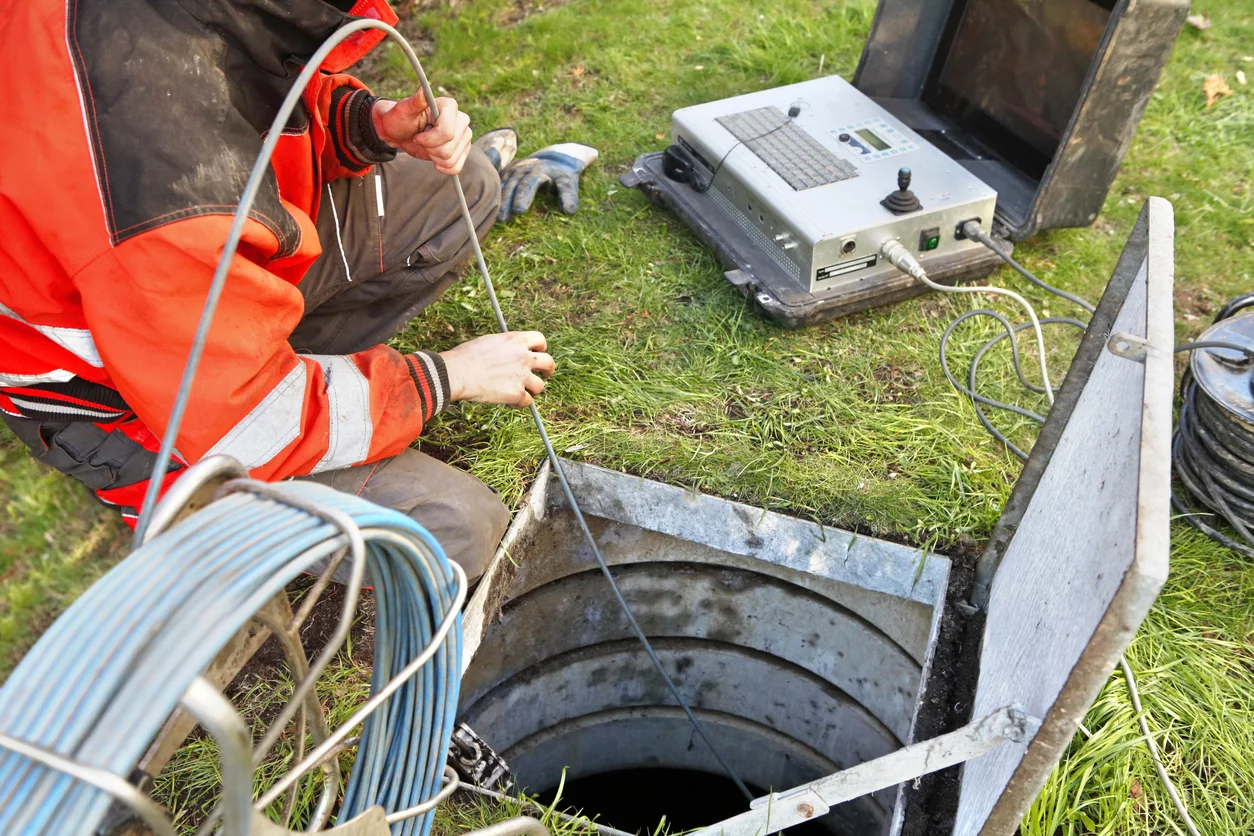
The only way to know whether you need cleaning or repair is to actually inspect the inside of the sewer line.
A sewer camera inspection allows plumbers to see:
- Root intrusion
- Cracks
- Collapsed sections
- Standing water
- Pipe separations
- Heavy buildup
This prevents unnecessary guesswork and helps determine the safest and most cost-effective solution.
For example, running aggressive hydro jetting equipment through a severely damaged pipe can sometimes make the problem worse. A camera inspection helps identify those risks before cleaning begins.
Modern Sewer Repair Options
Many homeowners still picture sewer repair as a massive excavation project that destroys the entire yard. In some cases, traditional digging is still necessary, especially if the pipe has completely collapsed.
However, modern trenchless repair methods often allow plumbers to repair underground sewer lines with much less disruption.
Pipe Lining
Pipe lining creates a new interior liner inside the existing sewer pipe. This seals cracks and helps prevent future root intrusion without fully excavating the line.
Pipe Bursting
Pipe bursting replaces the damaged sewer line by pulling a new pipe through the old one while breaking apart the damaged material underground.
These trenchless methods often preserve landscaping, driveways, and walkways while reducing overall project time.
Why Repeated Cleanings Can Become Expensive
A professional sewer cleaning is far less expensive than a major sewer repair upfront. But if the pipe itself is damaged, repeated cleanings usually become a temporary fix rather than a long-term solution.
Homeowners sometimes spend years paying for emergency drain-clearing appointments without realizing the same structural issue keeps causing the blockage.
Eventually, those repeated service calls add up while the condition of the sewer line continues getting worse underneath the property.
Addressing the actual pipe damage early can often prevent:
- major backups
- property damage
- emergency excavation
- water restoration costs
Sewer Repair vs. Sewer Cleaning FAQ
How often should a sewer line be cleaned?
Most homes benefit from sewer cleaning every 18 to 24 months. Older homes, large households, or properties with mature trees may need service more often.
Can hydro jetting damage old pipes?
It can if the pipe is already weakened or cracked. That is why a camera inspection is usually recommended before hydro jetting older sewer lines.
Does homeowners' insurance cover sewer repairs?
Most standard policies do not cover gradual wear, root intrusion, or aging pipes. Some homeowners carry optional service line coverage for underground utilities.
Get Clear Answers Before Sewer Problems Get Worse
Sewer problems are stressful enough without guessing whether you need a simple cleaning or a major repair. The best first step is finding out exactly what is happening inside the line before the problem escalates into a serious backup.
At One Source Home Service, we help Colorado Springs homeowners diagnose underground sewer issues with professional camera inspections, hydro jetting, sewer cleaning, and trenchless repair solutions. Our team focuses on clear recommendations based on the actual condition of your sewer line—not temporary fixes that leave you dealing with the same problem again a few months later.
If your drains have started backing up, gurgling, or slowing down throughout the house, contact One Source Home Service today at (719) 266-2805 to schedule a professional sewer inspection.