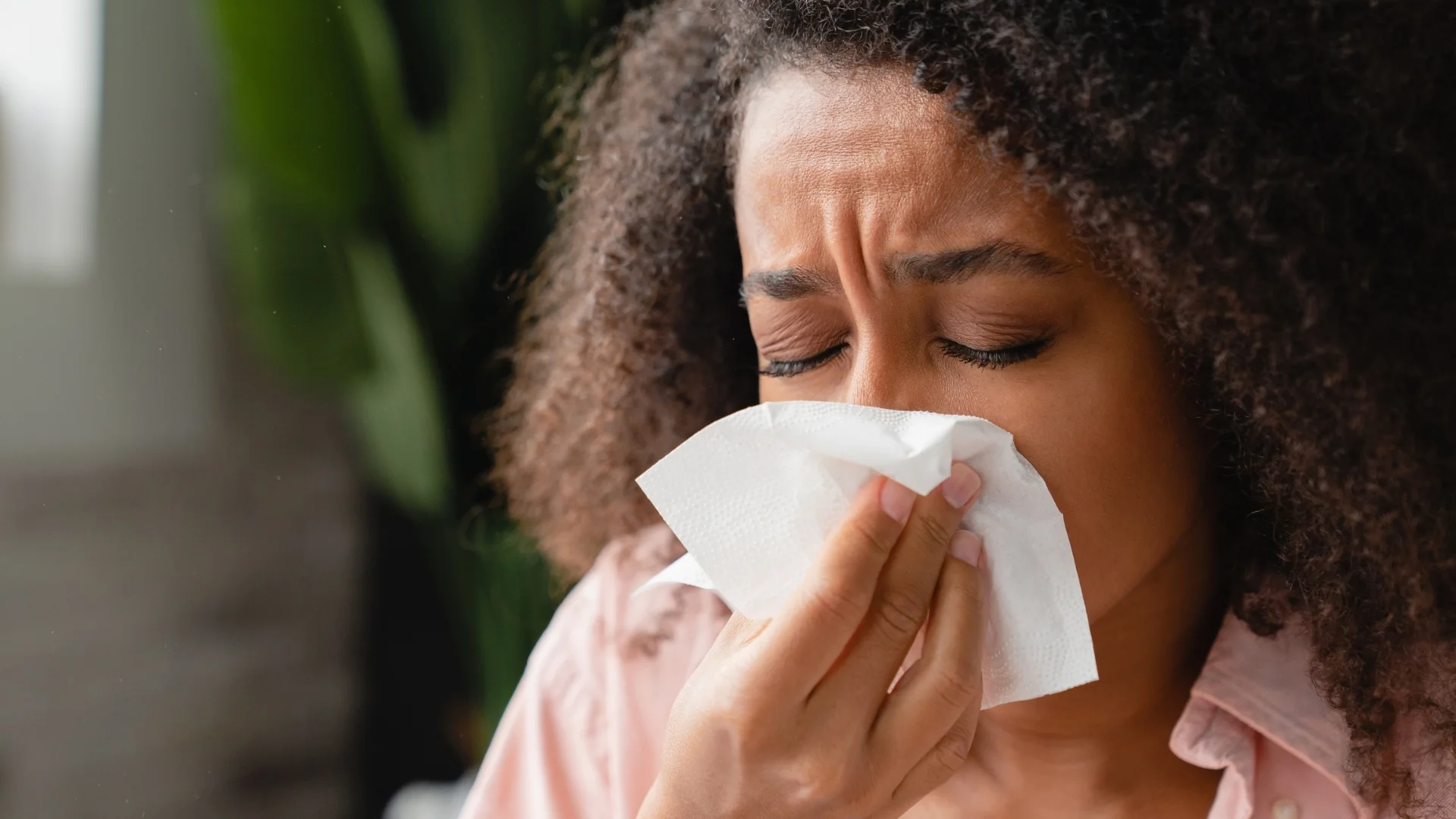
Spring and summer bring warmer weather and plenty of sunshine. Still, they also bring seasonal allergens like pollen, dust, and mold spores. These tiny particles can easily enter your home, affecting your indoor air quality and potentially triggering allergies or respiratory issues. Understanding how allergens affect your home’s air can help you take simple steps to breathe easier.
If you’re noticing sneezing, coughing, or stuffy air at home, don’t wait. Contact us online now or call (719) 266-2805 for expert guidance to improve your indoor air quality.
What Are Seasonal Allergens?
Seasonal allergens are substances that appear or become more active at certain times of the year. Common examples include:
- Pollen: From trees, grasses, and flowers, usually peaking in spring and early summer.
- Mold spores: Thrive in damp areas, especially after spring rains.
- Dust mites: Found year-round, but may increase when windows are open for ventilation.
These allergens can enter your home through open doors, windows, and even on your clothing or pets. Once inside, they can circulate through your HVAC system, making it easier for everyone in your household to inhale them.
How Allergens Impact Indoor Air Quality
Indoor air quality can affect comfort and health. Even if your home feels clean, allergens can be present in the air you breathe. Common effects include:
- Sneezing, coughing, or itchy eyes
- Stuffy or runny nose
- Irritation for people with asthma or respiratory sensitivities
- Reduced efficiency of heating and cooling systems due to clogged filters
Keeping your HVAC system and air filters maintained is a key step in reducing allergen buildup. Learn more about our HVAC services in Colorado Springs.
Signs Your Home’s Air Might Need Attention
- Visible dust or pollen settling on surfaces quickly
- Frequent allergy symptoms among family members
- Musty odors from damp areas
- Increased frequency of HVAC maintenance or filter changes
Steps to Reduce Seasonal Allergens at Home
You can take several simple measures to improve indoor air quality:
- Keep windows closed during high pollen days
- Change HVAC filters regularly to trap dust and allergens
- Clean ducts and vents to remove accumulated particles
- Use a HEPA air purifier in rooms where family members spend the most time
- Maintain humidity levels between 30–50% to reduce mold growth
Implementing these steps can make your home more comfortable and help prevent allergy flare-ups.
When to Seek Professional Help
Even with routine cleaning and preventive measures, allergens can still accumulate. Consider professional assistance if:
- Allergy symptoms persist despite home measures
- You notice visible mold growth or musty smells
- HVAC performance drops, or filters clog quickly
Experts can perform thorough inspections, clean ducts, and advise on system upgrades that improve air circulation and reduce allergen buildup.
Take action now to improve your home’s air quality. Contact One Source Home Service online or call (719) 266-2805 for professional guidance.